


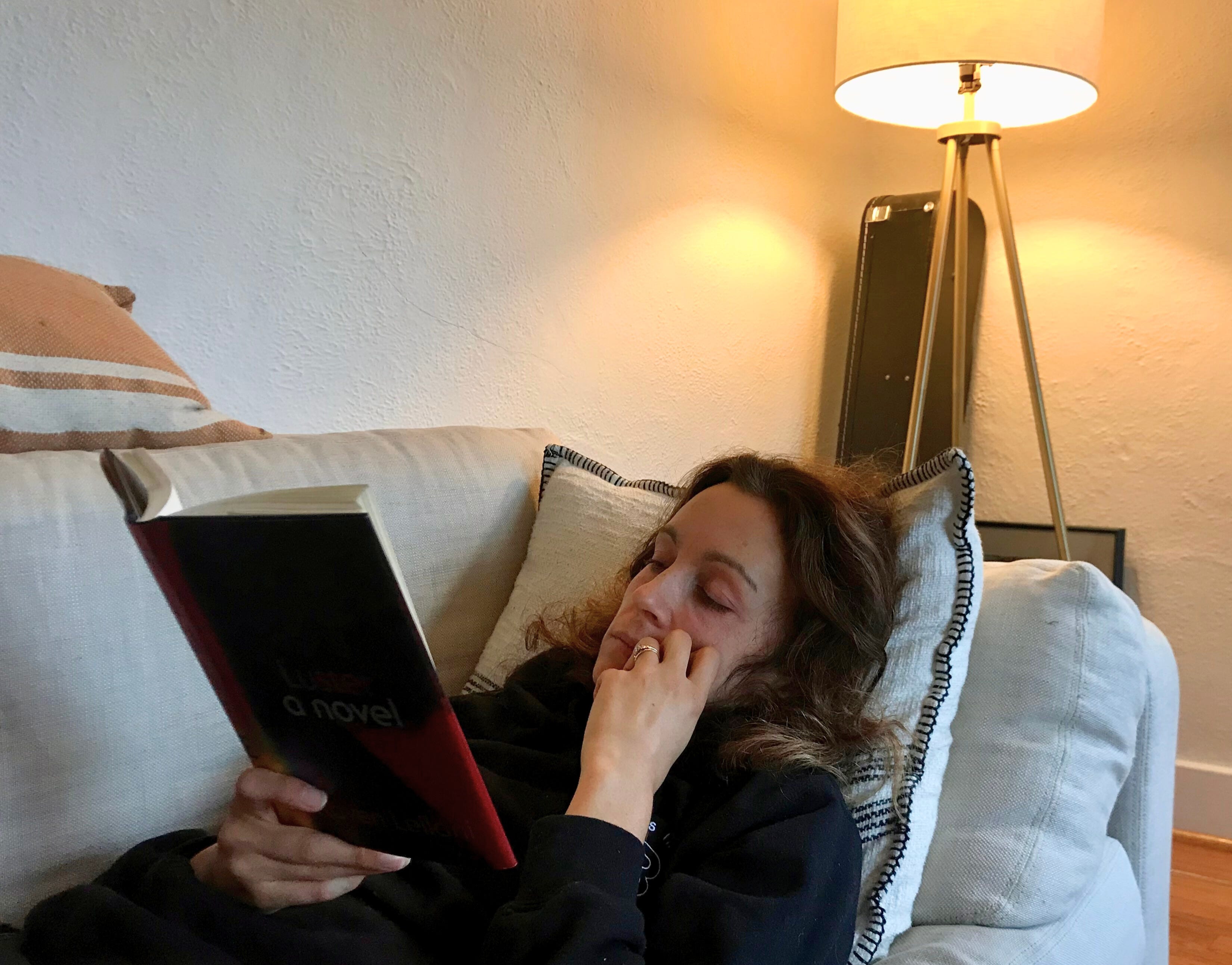
Like so many of us, I have a complicated relationship with rest.
Growing up, I was never permitted to “lie in” on the weekend. I have memories of my mom sweeping into my bedroom and flinging open the curtains while I was still asleep. Or, if I was watching TV, she would ask, “Shouldn’t you be achieving something?” I believe her intentions were good—she wanted her children to be engaging with the world, but the message I received was, “Rest was not okay.”
This belief followed me into adulthood. Any time I felt tired or burnt out and wondered if I should just sit down already, my thoughts would turn judgy.
“You’re lazy.”
“If you give in now, you’ll never get off the couch.”
“Everyone else is working hard and you’re not.”
“You have too much to do today, tomorrow, next week, next month, forever.”
“You can’t let the kids see you in bed in the middle of the day.”
“This is so indulgent.”
“If you try to nap and can’t, you’ve wasted an afternoon.”
And on they would go.
I’d listen to these thoughts, heed their warnings. Instead of resting, I’d drink more caffeine and go for a 4-mile run. Keep working rather than take a 20-minute nap. Vacuum rather than turn on my Kindle. Productivity was god.
And then I got cancer.
For what felt like the first time, I was told that I had to rest. It wasn’t optional. Suddenly, my husband was ordering me to nap every day, “for at least two hours.” He made a sign for the bedroom door that said, “Mommy’s resting” so the kids would know to give me space.
And here’s the big epiphany: Things didn’t fall apart because I took a nap. On the contrary, I could be more present for those around me when I wasn’t running on empty.
Now, instead of pushing through when I’m tired, I’m learning to listen to my body and notice its cues. Some days I wake up and I know I need to take it easy. Maybe my body feels heavier, or I’ve read the same sentence 10 times without it registering, or I’m snapping at the kids over nothing. On those days maybe I’ll skip a workout, watch an episode of a show in the middle of the day, or shut my computer and read a book.
The negative self-talk still creeps in, and it probably always will. But the other voice is equally as strong.
“I know what I need. It’s okay.”
Your Resting Starter Pack
Define what rest means to you
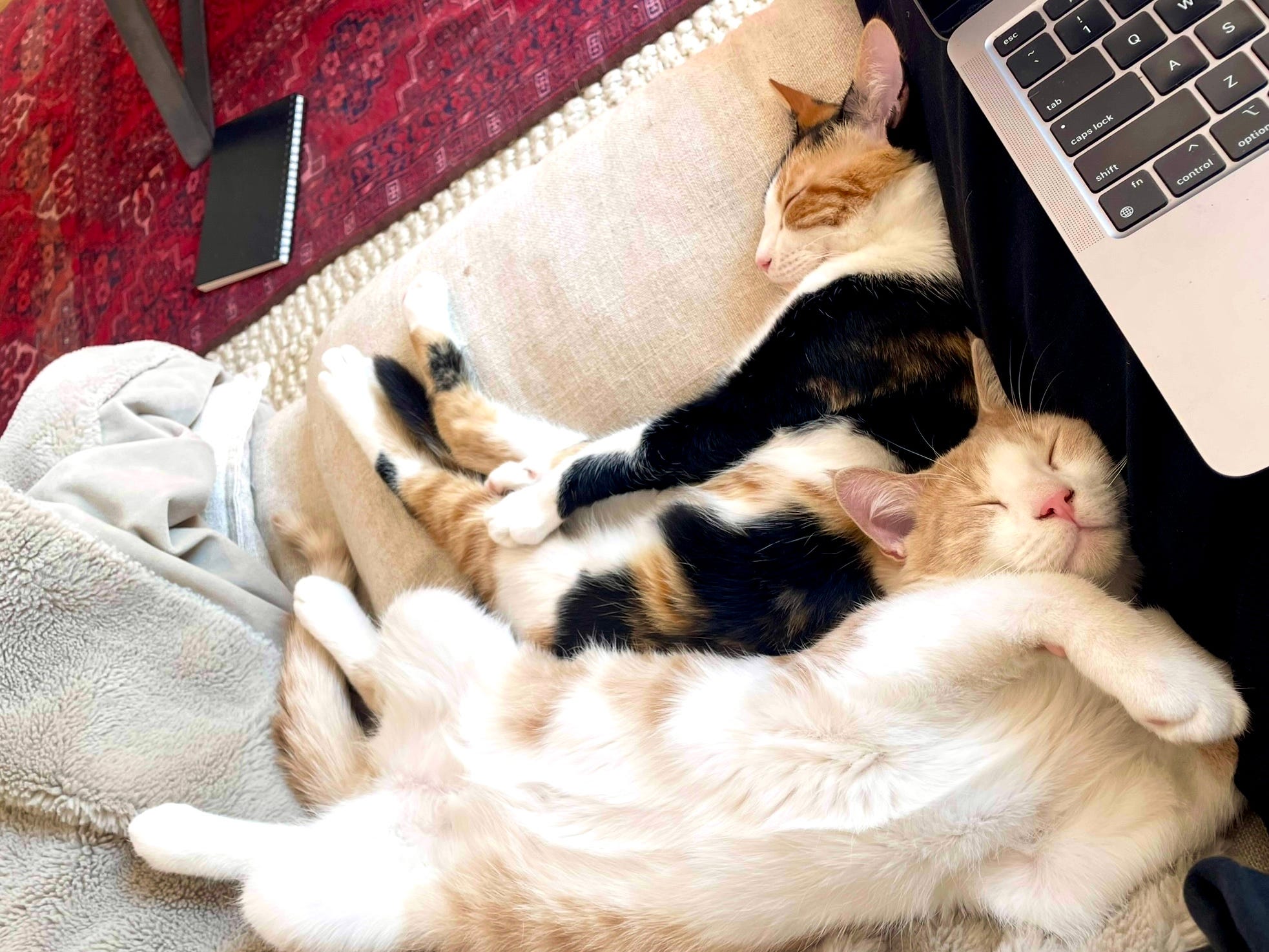
For a long time, I didn’t really know what it meant to rest. It’s taken some trial and error to figure it out. Ask yourself what true rest means to you. Is it staying in bed for an afternoon, binge watching a show? Sleeping in till 10? Sitting with a cup of tea looking out the window at the trees? Cuddling your cat? Or maybe rest is more active for you, like doing some restorative yoga, or going for a walk. I’m learning that what counts as rest is personal.
Figure out what’s actually possible
If you have a job and kids, staying in bed for the morning probably isn’t feasible. When my kids were toddlers, I was lucky if I got five minutes of quiet. Now that they’re a bit older, I can take a short nap knowing they’ll be fine. You have to work within the constraints of your current circumstances. If right now, rest means sitting in your car and closing your eyes for 10 minutes while your kid is at soccer practice, that’s okay.
Set boundaries
Once you’ve defined what rest looks like to you, protect that time. One option is to put it on the calendar. For me, Fridays have loosely become a day when I take my foot off the gas. Once I get my work done, maybe I’ll go for a long walk in the forest near my house, or take myself to a movie. But it isn’t always possible to plan for rest. Sometimes, it comes as a surprise. You wake up and you’re bone tired. That’s when you tell your partner and/or your kids, “I need half an hour.” Everything else can wait.
Notice any negative self-talk
When the critical thoughts come up, and they probably will, simply notice them. They’re the result of years of conditioning in a culture that elevates busyness and constant doing. The goal is for the other voice, the one that knows the true value of rest, to grow louder over time.
What Rest Can Look Like
Take a nap. Arguably the most simple but effective way to give your body the rest it needs. And it doesn’t have to be long to reap the benefits.
Read. Make yourself a cup of coffee or tea, get cozy under a blanket, and read a chapter of a book.
Take a bath. Otherwise known as my favorite way to rest. I take a bath almost every day, usually in the evening, but sometimes in the afternoon. Throw in some Epsom salts, nice-smelling bubbles or oil (I’m partial to this one), light a candle, and read a book or watch a show on the iPad. Done.
Lie on the bed and do nothing. I mean it. Just stare out the window. Before kids, this might have sounded depressing, but now a small moment of quiet feels like the height of luxury.
Go to a movie. When I was in college, I’d take myself on a solo movie date every Tuesday afternoon, when my local theater had a half-price ticket deal. It feels like you’re playing hooky in the best way, escaping from the world for a couple of hours. Salty popcorn and dark chocolate are optional but highly recommended. I always leave the theater feeling inspired and refreshed.
Get out in nature. Go for a long, slow walk. Listen to a podcast or simply to the birds and the breeze.
Whatever it is you choose, know that to rest is okay. You have permission to exhale and treat yourself with gentleness and care. Life can be hard, and carving out that space to allow your body (and your mind) to recuperate is something we all deserve and need more of.
Great article and very helpful. I just finished 15 months of treatment in October for TN breast cancer and the fatigue from chemo, radiation, and immunotherapy still plague me. I’ve always been an over-achiever and now I just want to rest. All the time. I’m learning the balance.
I was also terrible at rest until my cancer diagnosis. I had to rest after surgery and through radiation and then this year being on hormone therapy, and the resultant fatigue has meant that it’s been the first year I can ever remember where I rested without guilt.
I nap, read or watch TV.