


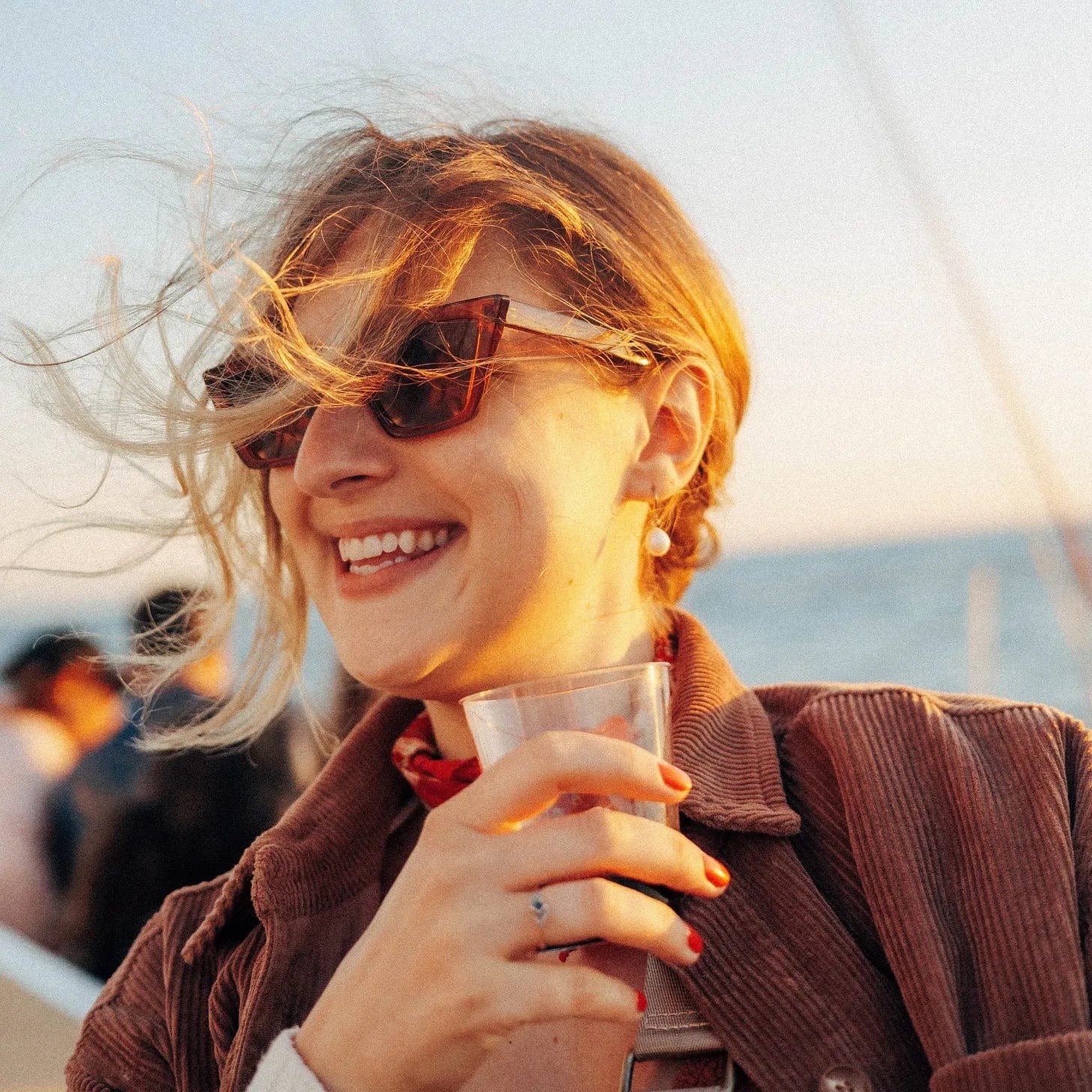
Today I’m chatting with Emma Vivian, the voice behind Attempts at Optimism, where she writes about how to live life with courage and heart, even when things get hard.
Emma has faced her fair share of challenges, including a breast cancer diagnosis in her late twenties and losing her childhood best friend to the same disease.
We talk about how cancer reshaped her identity, what it meant for her plans to have a family, and the simple routine that helped anchor her during treatment.

I’d love to start at the beginning. Can you tell me what type of cancer you had and how old you were when you were diagnosed?
I was diagnosed with Stage 1 Grade 3 triple-positive breast cancer in 2018, at the age of 29.
When you look back, what were the first signs that something wasn’t right?
I decided to start performing self-breast exams after the diagnosis of a childhood best friend. On my very first attempt, I thought I felt a lump. After consulting with Google, I waited a few weeks to see if the lump went away, but when it quickly doubled in size, I knew I needed to see a doctor.
What was it like to be diagnosed in your twenties? Did your age affect how doctors or others responded?
I was fortunate that doctors took me seriously from the get-go.
Even though I’d immigrated to LA from the UK four years previously, I didn’t have much experience with the US healthcare system. I didn’t have a primary care doctor or know who to see about my concerns, so I popped along to an urgent care centre the day before Thanksgiving. After an exam, I was referred for an ultrasound and then a biopsy.
In hindsight, I was lucky to be treated with such care and referred for additional testing so quickly. However, at the time, I was so panicked that even waiting those few weeks was agonizing!
What was treatment actually like, day to day? What surprised you most about how you responded?
What surprised me most about my treatment was just how long it lasted. I had a close friend who’d been in treatment for triple-negative breast cancer, and her treatment had been completed in about a year. I had no concept that there were many different subtypes of breast cancer, each of which has its own gold standard of care.
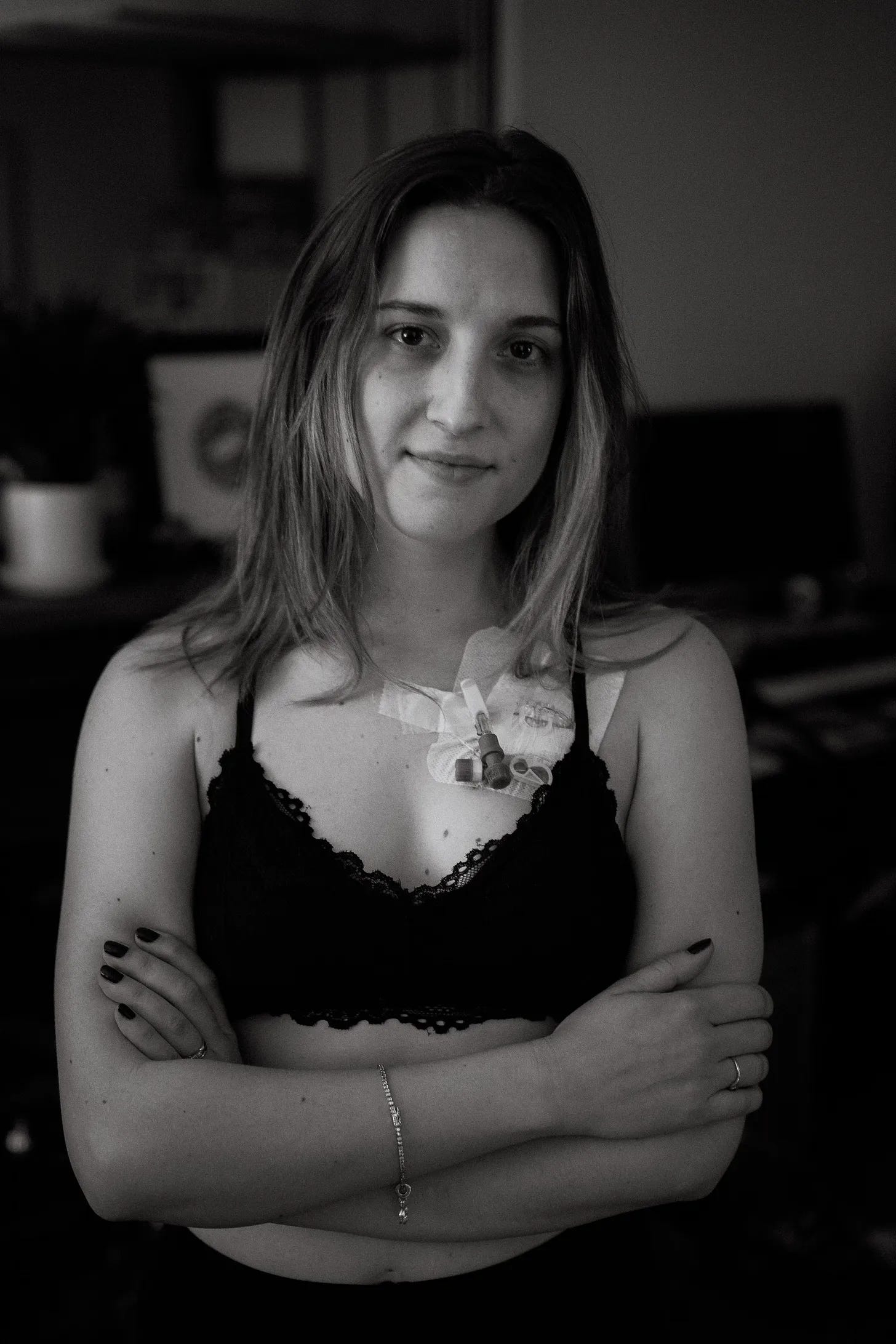
In my case, I received 6 rounds of chemotherapy, then a bilateral mastectomy, then an additional 14 rounds of immunotherapy with chemotherapy added in, plus over 5 years of hormone suppression and another year on a targeted daily therapy.
I remember being almost speechless when hearing how long my treatment would last. It felt like I’d been tasked with climbing Everest.
It may be a cliché, but the only way to get through it was day by day. Some days were awful, and others were OK. And each new aspect of my treatment came with its own challenges.
Was there anything you wish someone had told you before treatment started?
I wish I’d known more about the mental health aspect of treatment, particularly the depression that can hit after finishing active treatment. It felt as if I’d been spat out on the other side of a hurricane, completely dishevelled and disoriented, with little understanding of what I’d just experienced.
Now I know that this is a common experience for those who are lucky enough to complete cancer treatment. We go from being in survival mode to suddenly having the time and capacity to process what we’ve been through. That juxtaposition is jarring, to say the least.
If you’re comfortable sharing, how did fertility or future family planning factor into your treatment?
This was another aspect of cancer treatment that I had no awareness of. I had always wanted to be a mother, so fertility preservation was important to me. In fact, my husband and I had planned to start trying for a baby when I turned 30.
Again, I was extremely fortunate to have a medical team that discussed family planning with me from my very first appointment. Even though my cancer was early stage, it was extremely aggressive, and that meant any fertility preservation measures needed to be taken immediately.
Luckily, I was able to freeze my eggs prior to starting chemotherapy, and I was also given shots throughout my chemotherapy that put my ovaries into a sort of dormancy, thereby protecting them a little from being targeted.
I’m overjoyed to share that I’m currently 23 weeks pregnant with my first child, conceived naturally. I credit my medical team for their hindsight, care and support in getting me here safely!
What changed once treatment ended? Did you feel any pressure to be “okay” or grateful before you really were?
Absolutely. As I mentioned before, my mental health really took a hit post-treatment. This was compounded by my friend, Emily, passing away while I was still in treatment. I really struggled with survivor’s guilt, coupled with fear of a recurrence of my own.
I was having multiple panic attacks a day, dealing with chronic insomnia, and depression. This was when seeking support became more important than ever. For the first time, I joined an online support group. I was also prescribed antidepressants and anti-anxiety medications that were incredibly useful during those difficult few years.
How has your relationship with your body evolved since treatment ended?
I underwent so many surgeries on my breasts — not just the initial mastectomies, but then many more reconstruction surgeries, and I’ve often described that process as desexualizing my body.
For years, I was hyper-critical of my breasts. Any time I caught sight of them in a mirror, I’d see nothing other than what I perceived to be imperfections: There’s a wrinkle here, or an indentation there.
Because of this, I decided to take a break from having any more reconstruction surgeries, and I believe this really helped me. It gave my brain time to catch up with the changes my body had experienced. Now that I’m used to my new appearance, I don’t find myself being so critical. When I look in the mirror, I simply see myself.
Did cancer change how you see yourself, not just your body, but who you are?
I’ve always been someone who’s obsessed with the concept of identity. Who am I? What do I like? What do I stand for?
Cancer definitely has a huge impact on one’s identity. How could it not? It’s not only impacted by how you feel about your diagnosis, but also by how others feel about it. Suddenly, people are treating you like a sick person. Or you’re spending all your time in hospitals. Or you’ve had to take a break from work.
I felt this keenly as a young person with cancer. Overnight, my life completely changed. I was too sick to work, my friends were supportive but also inexperienced with helping someone with a life-threatening disease, and my family was on the other side of the world.
For a time, my identity felt strongly rooted in that of a person with cancer. I think that’s a natural response to such a life-altering diagnosis. But with time, I resonate with that less and less.
Now I see cancer as being part of my story, not the whole of me.
What still feels hard, even now?
For the most part, I’m in a great place! Follow-ups can always be a little bit scary. Or if I’m experiencing a new symptom I’ve never noticed before. It can be really hard to trust your body again after cancer.
We have to find a balance between vigilance and not living life in fear.
Lightning Round
Something you brought to chemo/treatment that was actually useful?
A heated blanket! All those IVs can make you so cold.
A small comfort, routine, or habit that made a big difference?
Trying to take a walk every day, even if it was just to the end of the street and back.
A form of movement that feels good in your body today?
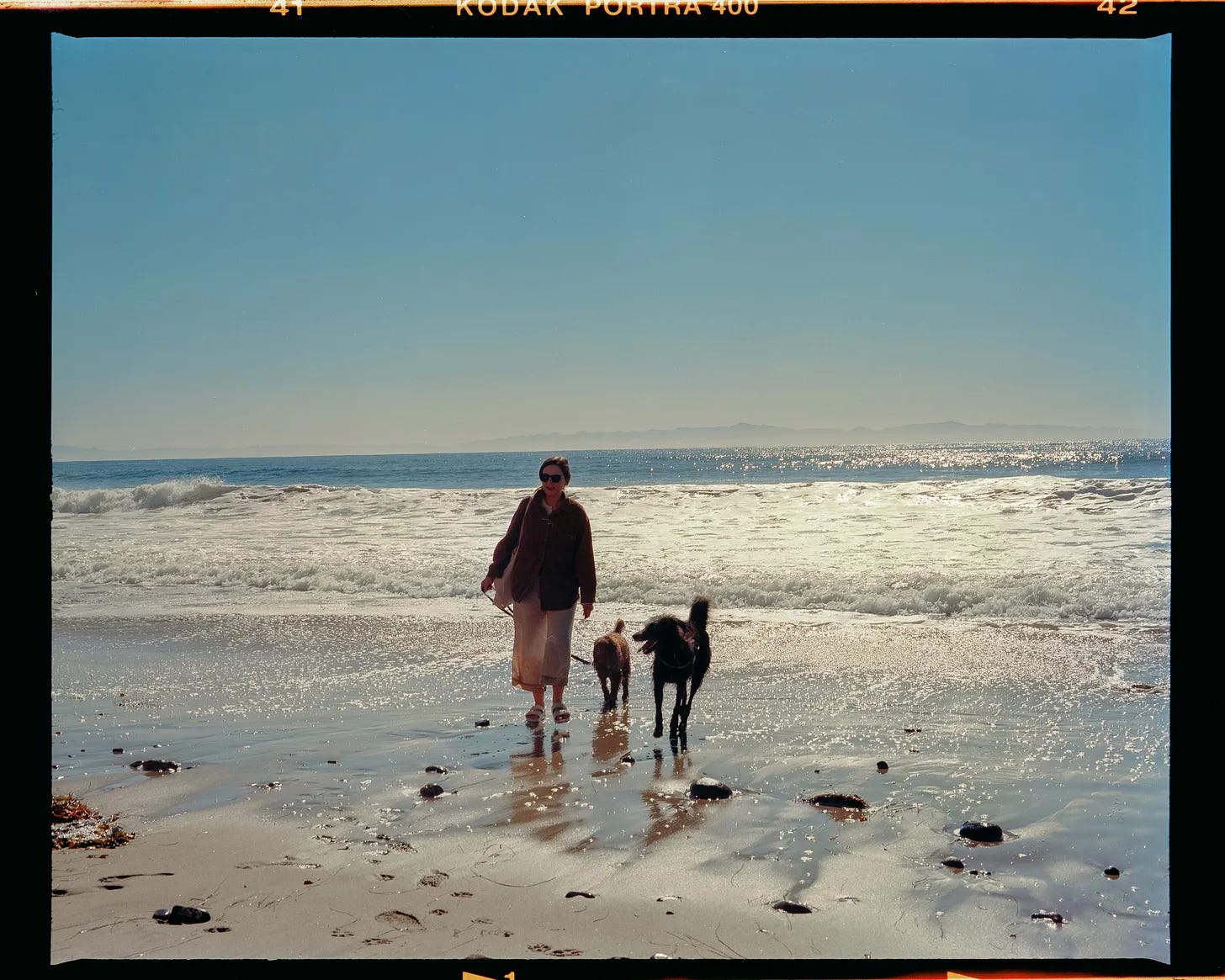
I still love walking! It’s so good for your physical and mental health. Bonus points if you have dogs!

Thank you so much, Emma! Be sure to check out her Substack.
And as always, thanks for reading. I’m so grateful. If you can’t become a paid subscriber, feel free to like this post to show your support (it helps!).
Wow! First, I'm thrilled you are "infanticipating"❤️ Secondly, I totally get how suddenly our psyche goes from survival mode during tx to depression afterwards...I, too, was prescribed an antidepressant after 3 months of questioning everything and what my experience meant to me. The antidepressant helped me get moving again and seemed to erase or at least ease pain I felt that had no physiological explanation.
Having said that, I was much older when diagnosed with E/P+ HER2-, stage 1a/Grade 3 breast cancer. Little did I know that my routine mammogram and subsequent biopsy would reveal a very aggressive tumor. My lumpectomy was the very first surgery I ever experienced. I've had 2 very close friends and my niece go through their diagnosis/treatment/post-angst along the same timeline- so surreal, for all of us!
What does it all mean? I hope everyone has access to prevention, procedures, and Healthcare. I hope everyone benefits and has access to continued research, advances, and medications. I pray everyone who is inducted in this agonizing club has emotional and medical support for however long they need it. 🫶🧘♀️🙏🏻💪
Thank you for sharing this amazing but harrowing story. So hard to imagine all you went through, and got through. I'm glad you had good support and the medication helped you through that horrible time with panic attacks and depression.. After all you've survived, I'm so happy for you now being pregnant with your first child!!! Congratulations and wishing you much joy ahead.