


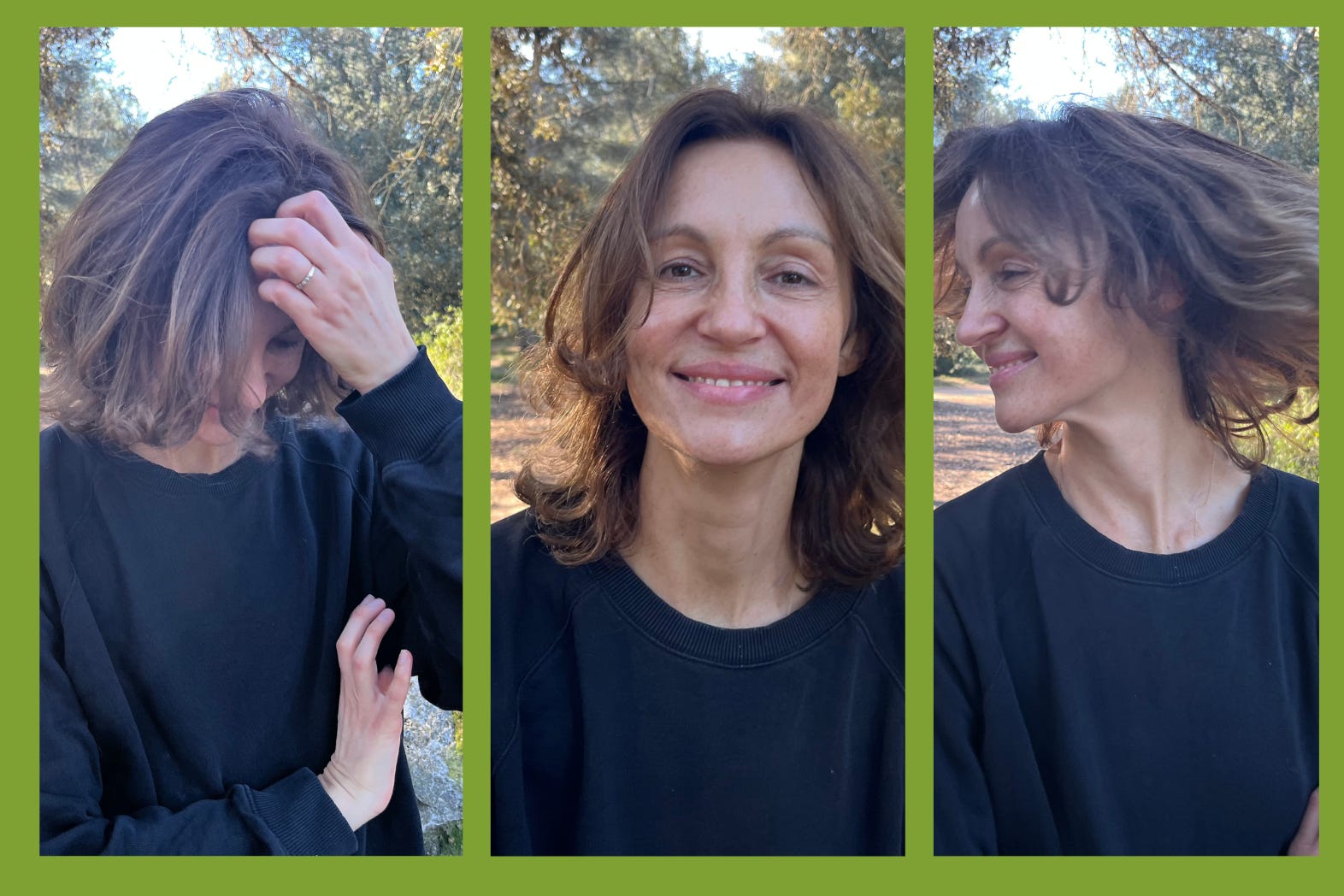
It’s one of the most familiar tropes of being a cancer patient: At some point during treatment, you’re likely going to lose your hair. It’s also one of the hardest parts of the journey. Most scars you can hide, but hair loss is the giveaway, the flashing sign that announces, “I have cancer.”
That’s why getting your hair back feels so important, even urgent, after cancer. It’s a signal to others, and more importantly to yourself, that you’ve made it through. With each additional inch, you start to recognize yourself again.
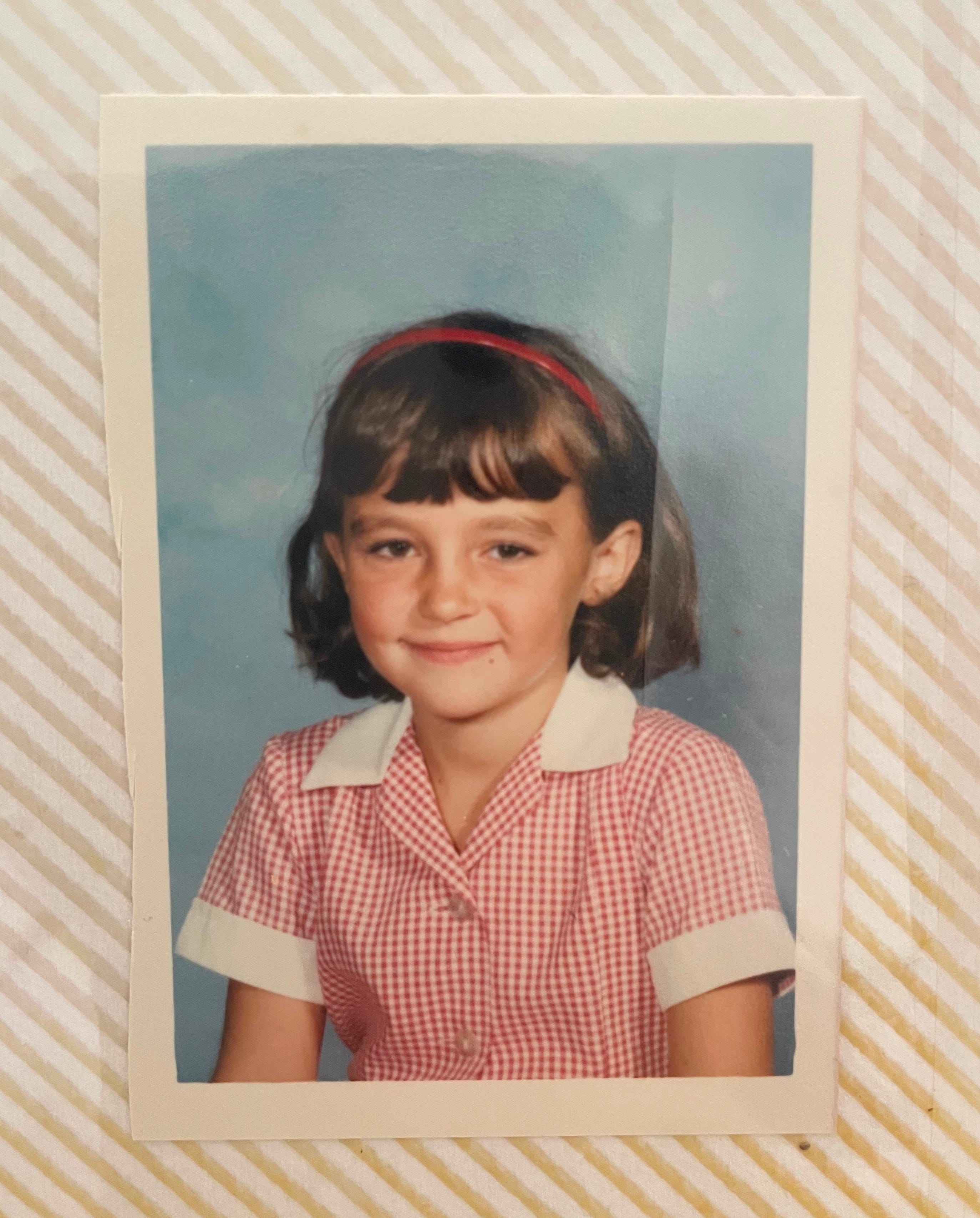
When I was little, my mother would cut my dark brown hair into a bob, and blow dry it straight (now that I’m a mom, the idea that my daughter would allow me anywhere near her with a drier and brush is comical).
Around the age of 7, I decided I wanted long, Rapunzel hair. I somehow got the idea that if I slept with my hair tied back, I would wake up the following morning with cascading locks. I don’t need to tell you how that story ended, suffice it to say I burst into tears when I looked in the mirror and my hair still grazed my chin.
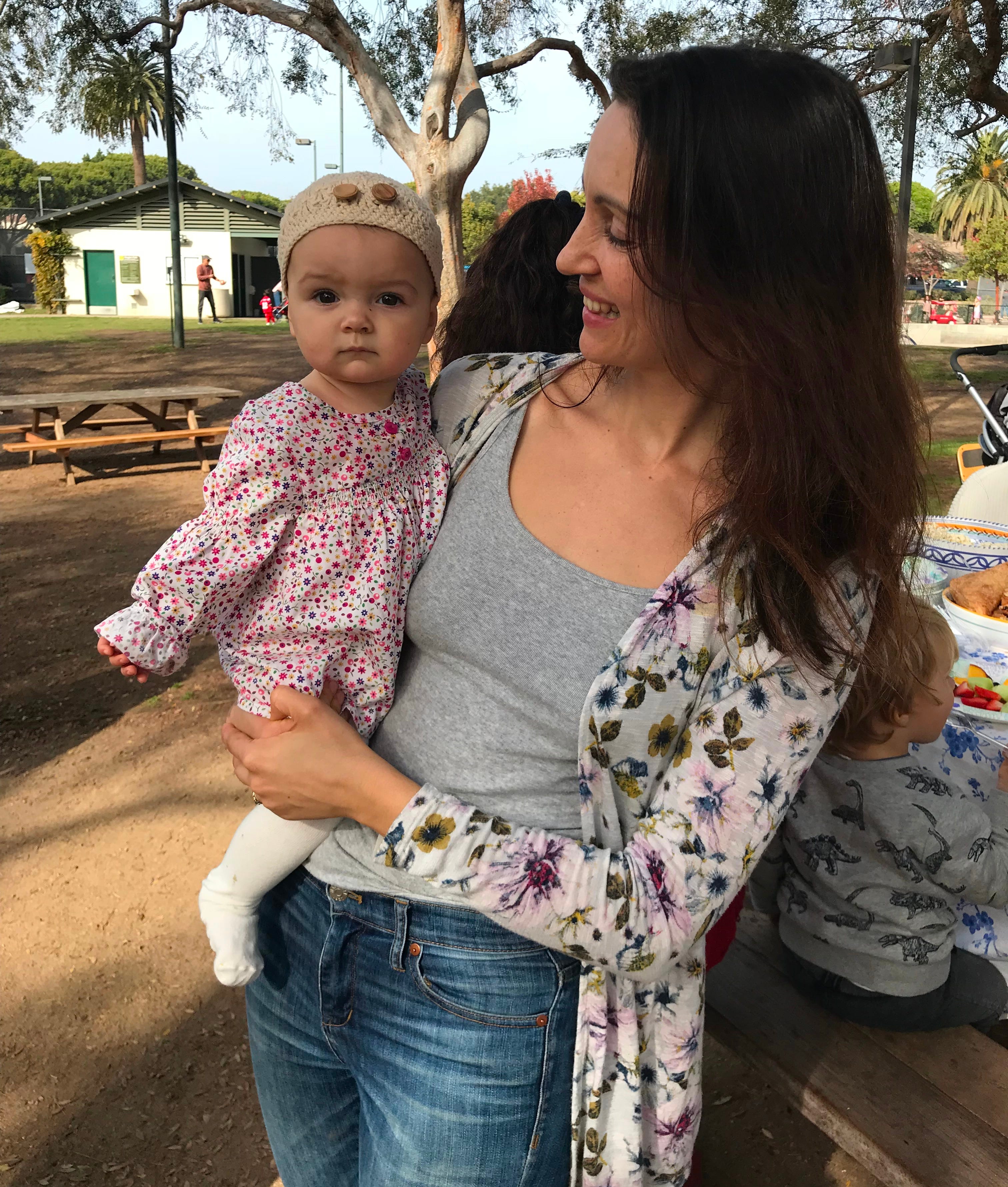
It did finally grow out, past my shoulder blades, and there it remained, give or take a couple of inches, for the better part of three decades. It was thick and wavy, although the changing hormones after two pregnancies left it finer.
I remember thinking, on more than one occasion, that I would never, ever cut my hair. I was attached to my long hair—short hair wouldn’t suit me, I thought, and it would be too unruly, too frizzy.
So I was surprised at how okay I felt when my oncologist informed me I’d lose my hair. Looking back, I think I was so focused on getting rid of the cancer, on just getting through each step toward that goal, that I saw my hair as a necessary casualty. I was also more terrified of chemo’s other side effects. At least my hair would grow back, I thought.
I chose to shave my head after my second chemo session. I was finding long strands of hair on my pillow and on the bathroom floor, and I decided to take control rather than walk around with a checkerboard of bald patches. I was pleasantly surprised by the results (you can see my cancer hair journey in pictures here), and even more pleased that I no longer had to spend time styling my hair or spending money on expensive hair products.
And yet, I missed my long hair. Or rather, I missed the “me” before cancer. As easy as my new hair routine was, I longed to see the familiar reflected back at me in the mirror.
So I’ve been studying my hair growth like a scientist might an experiment, noting when it reaches the tips of my ears, then below my ears, my jawline, and most recently, my shoulders. I’ll call it a success once it reaches the bottom curve of my shoulder blades.
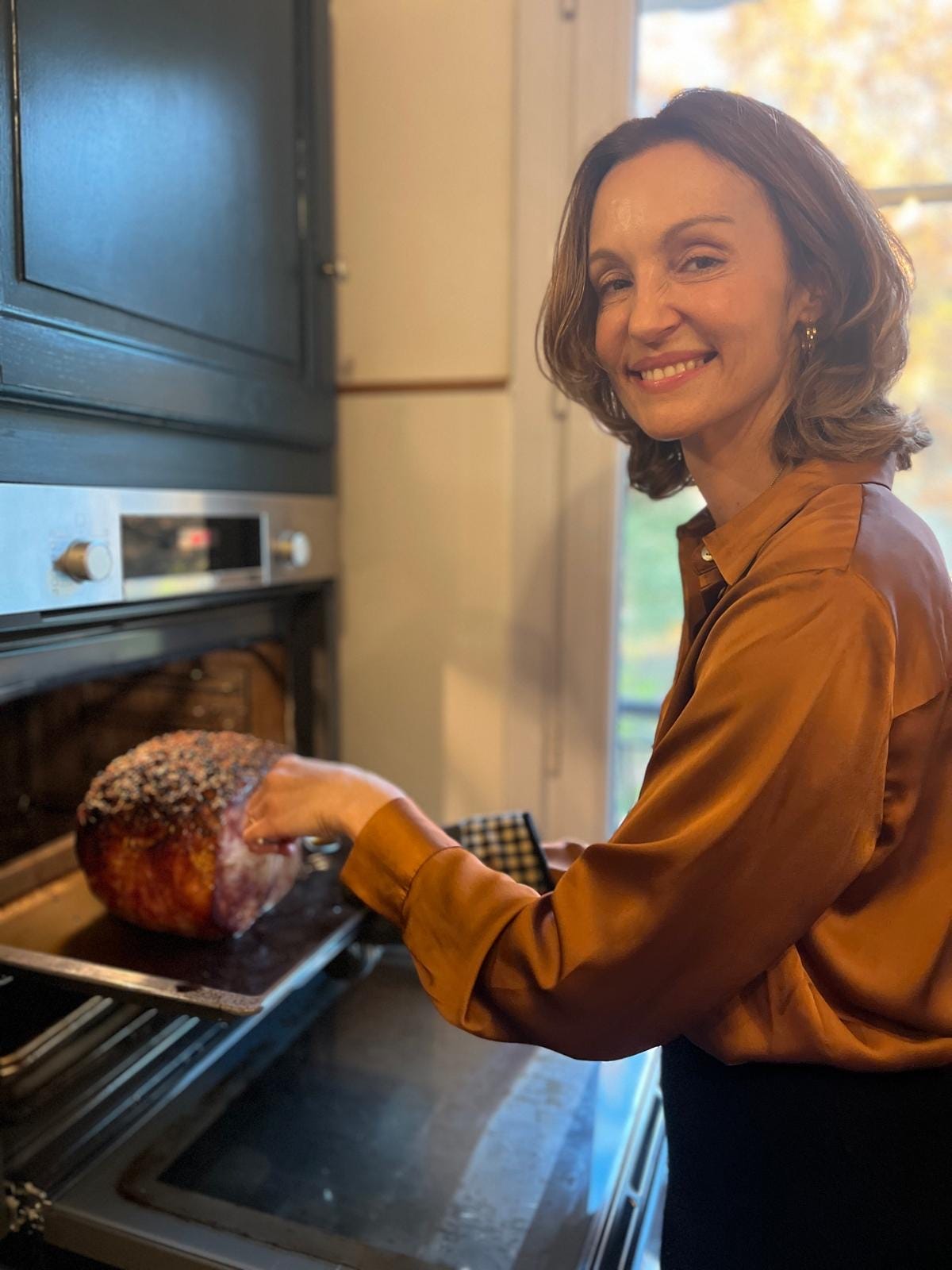
One nice surprise through all of this: my hair has grown back thicker and healthier after cancer.
Before I dive into what’s helping, I want to emphasize that there’s no magic bullet (even though a lot of influencers will have you think otherwise). So many factors go into a healthy head of hair, genetics being a big one.


But in my experience, there are certain things that can help it along. None of these tips veer into pseudoscience or woo (I won’t be recommending you bathe by moonlight using the tears of a thousand frogs).
Read on for simple, practical strategies that I’m convinced have made a difference.
